
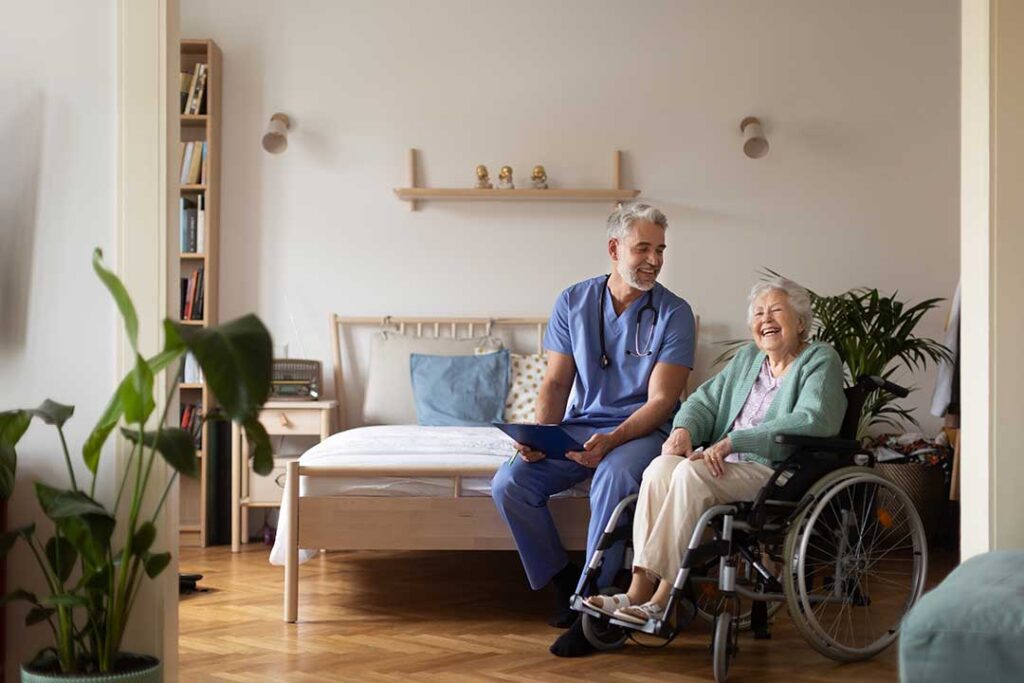
Assisted living communities have often been associated with healthcare, safety, and daily support, but one of their most valuable offerings is sometimes overlooked: social connection. For many seniors and their families in Penn Hills, Pennsylvania, the decision to move into assisted living isn't just about medical needs—it’s about ensuring loved ones enjoy a vibrant, connected lifestyle as they age.
Why Social Connection Matters for Seniors
Research shows that older adults who maintain strong social ties experience better physical health, improved cognitive function, and lower rates of depression. Unfortunately, isolation can become a risk as people age, especially for those living alone after the loss of a spouse or with family members who are busy or live far away. Assisted living communities offer an immediate remedy to this concern by creating a built-in network of peers, caregivers, and activities designed for interaction.
The Penn Hills Lifestyle: How Local Culture Influences Social Opportunities
Penn Hills, with its close-knit neighborhoods and blend of suburban tranquility and city proximity, has long been a place where relationships matter. Seniors who move into an assisted living community here don’t leave behind the friendly spirit of Penn Hills—they bring it with them.
- Local churches often partner with communities to host events
- Recreational activities reflect the favored pastimes of Pittsburghers, from Steelers game watch parties to pierogi cook-offs
- Parks like Penn Hills Community Park are common outing spots for assisted living residents, offering fresh air and a chance to interact with the broader community
This local flavor ensures that assisted living in Penn Hills is more than just a change of address—it’s a continuation of the connections that make the region special.
Built-In Social Networks: Friendships at Your Doorstep
One of the most immediate benefits of assisted living is proximity to peers. Residents are surrounded by people of similar age and often similar life experiences, providing many opportunities for meaningful friendships to blossom. Common areas, shared dining spaces, and group activities are designed to break down barriers and encourage residents to socialize organically.
Residents often report that they quickly make friends, as everyone is eager for company and support. Within a few weeks or months, newcomers in a Penn Hills assisted living community can find themselves part of coffee clubs, game nights, or walking groups that brighten each day.
Structured Activities That Foster Connection
Most assisted living communities in Penn Hills offer a robust calendar of daily activities tailored to residents’ interests and abilities. These are more than time-fillers—they are opportunities to form bonds, reignite hobbies, and build self-confidence.
Typical activities include:
- Arts and crafts workshops inspired by Pittsburgh’s artistic heritage
- Gardening clubs using native Pennsylvania plants
- Movie nights featuring classics and local favorites
- Weekly bingo, card games, or trivia
- Music and dance sessions, sometimes with live entertainment from local musicians
- Religion-based groups, such as Bible studies or spiritual discussions
These shared experiences help residents constantly meet new people, find common ground, and overcome any initial feelings of loneliness or shyness.
Opportunities to Connect with the Broader Penn Hills Community
Assisted living communities in Penn Hills aren’t isolated institutions—they are actively engaged with the town. Many facilities have ongoing relationships with local schools, volunteer organizations, and churches. Intergenerational programs, where students visit to read with or perform for residents, are especially popular.
Seasonal events, such as the Penn Hills Fall Festival or holiday parades, often include outings for assisted living residents, connecting them with familiar traditions and faces from the larger community.
Family Engagement: Staying Connected with Loved Ones
For many seniors and their families, the transition to assisted living can raise concerns about losing touch with loved ones. In reality, most communities work hard to facilitate family involvement. Visiting hours are typically generous, and there are often special “family night” events, holiday celebrations, and outdoor barbeques designed to bring relatives together.
Technology also plays a role. With the help of caregivers, many residents use video calls and social media to stay in touch with faraway loved ones. In Penn Hills, the presence of numerous tech-savvy community centers and local libraries helps bridge any digital gaps.
Emotional Benefits: Improved Wellbeing Through Connection
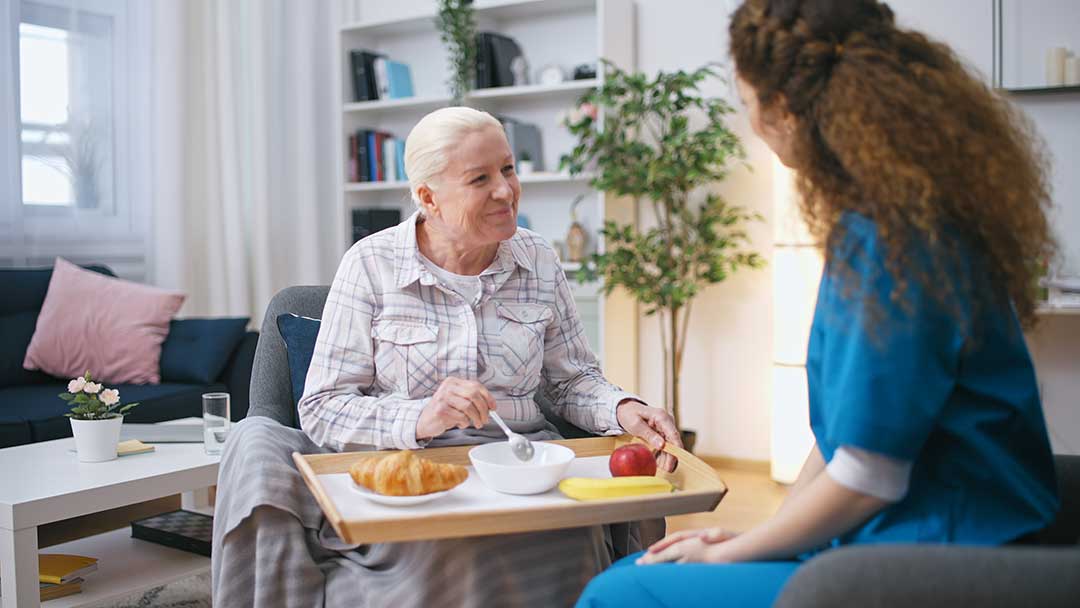
When seniors feel connected—both within their assisted living community and to the wider Penn Hills area—they consistently report higher levels of satisfaction and joy. Social engagement can lead to:
- Reduced risk of depression and anxiety
- Better physical health outcomes
- Slower memory decline
- A renewed sense of purpose
These benefits underscore why making the move to assisted living can be a proactive step for families who value not just safety, but quality of life.
How to Choose a Socially Active Assisted Living Community in Penn Hills
If you’re searching for a community for yourself or a loved one, consider these tips:
- Tour communities and ask about daily activity calendars
- Talk to current residents about their experiences making friends
- Ask how the community connects with local organizations or groups
- Inquire about family involvement opportunities and visiting policies
- Make sure there are shared areas for dining, recreation, and relaxation
Above all, look for a place where residents seem engaged and happy, and where staff go out of their way to introduce newcomers to others.
Conclusion
For seniors in Penn Hills, assisted living is much more than a necessary support system; it’s a gateway to richer relationships and a meaningful social life. By providing structured and spontaneous opportunities for connection—rooted in the local traditions and community spirit that define the Pittsburgh region—assisted living communities help older adults maintain happiness, health, and a strong sense of belonging.
