
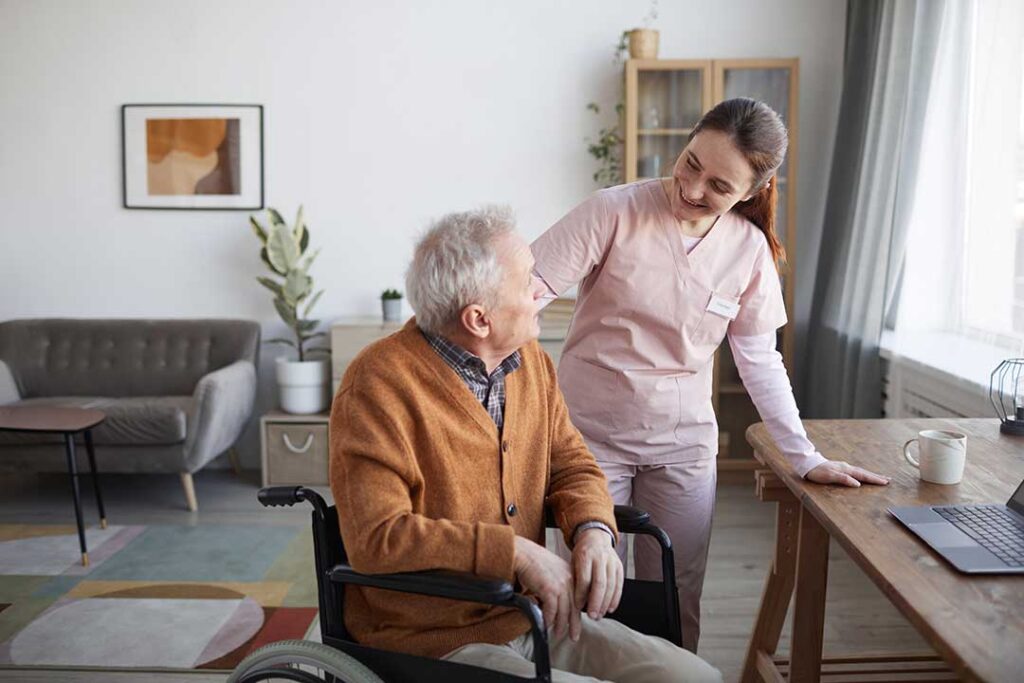
As families in Penn Hills, PA face decisions about senior care, a frequent question arises: What truly costs more—remaining at home or transitioning to an assisted living community? With the rich community life, convenient access to healthcare, and the balance between rural tranquility and suburban convenience in Penn Hills, it’s important to explore all aspects of this decision. Here’s a comprehensive look at what local families should weigh when it comes to cost, lifestyle, and value.
Comparing Monthly Expenses: Home Care vs. Assisted Living
When considering a senior’s living arrangement, many look simply at monthly rental fees for assisted living and compare them to existing mortgage or rent costs. However, this leaves out a wide range of hidden expenses.
Living at Home Costs:
- Mortgage or rent
- Property taxes and homeowner’s insurance
- Utilities (water, gas, electric, trash, internet)
- Groceries and household supplies
- In-home care (hourly or live-in aides; costs increase for higher care needs)
- Transportation (gas, insurance, repairs)
- Home maintenance and repairs (lawn care, snow removal—especially relevant in Penn Hills winters)
- Home modifications for safety (grab bars, ramps, stair lifts)
- Emergency alert systems and monitoring
Assisted Living Costs:
- Monthly all-inclusive fee (covers rent, utilities, meals, 24/7 staff, activities, and some levels of personal care)
- Community fees or move-in deposits (one-time)
In Penn Hills, the average monthly cost for assisted living is often between $3,500 and $4,500. Meanwhile, home care services range from $26 to $32 per hour locally, totaling $4,000–$6,000 per month for full-time care—without even adding home upkeep or food.
Lifestyle Factors Unique to Penn Hills, PA
Penn Hills enjoys a close-knit, suburban feel while being near all the amenities of Pittsburgh. This means seniors benefit from:
- Local parks and recreation options, ideal for active seniors
- Proximity to medical centers and specialist caregivers
- Community events and senior programming at local centers
Living at home may allow someone to remain in their familiar neighborhood, but isolation risk rises—particularly in winter when Penn Hills gets snow. Transportation challenges for errands, medical appointments, and socializing intensify with age. Assisted living communities locally offer structured activities, group outings, and transportation, helping keep residents engaged and safe year-round.
Health and Safety Considerations
Aging in place is desirable for many, but as needs escalate, supervision and care costs increase. Common home safety risks in older houses (slippery stairs, outdated wiring, lack of accessible bathrooms) often require significant financial investment.
Assisted living settings in Penn Hills are designed to minimize fall risk, offer immediate response to emergencies, and include nutritious meal service—reducing the risk of malnutrition, accident, or missed medication.
Peace of Mind and Predictable Costs
Families often underestimate the unpredictability of home care expenses:
- Emergency repairs (a furnace breaking down in January)
- Unplanned hospitalizations and post-discharge care
- Costs of private caregivers can jump if care needs increase
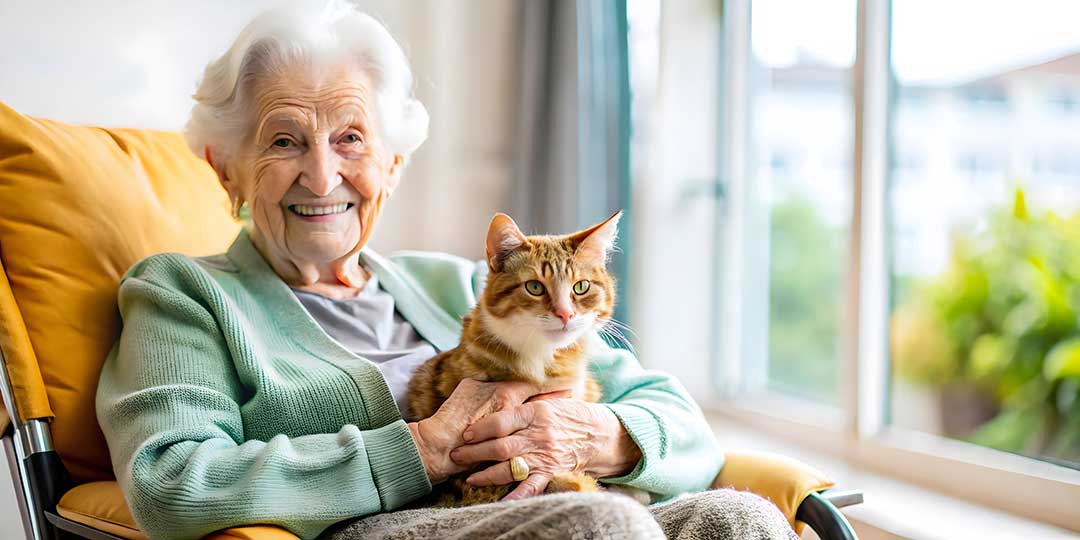
Assisted living offers more predictable monthly billing and an environment where additional support can be scaled up as needed—without the stress of arranging extra help, meals, or supervision on short notice.
Financial Assistance and Value Comparison
Medicare does not cover assisted living or home care, but some long-term care insurance policies and veterans’ benefits may help. In Pennsylvania, there are state waiver programs that might partially defray home care costs for those eligible. However, these typically do not cover all the expenses of staying home.
Factor in that while the assisted living monthly fee may seem steep, it covers:
- Meals (restaurant-style dining)
- Utilities and maintenance
- Laundry and housekeeping
- Social activities and wellness programs
- 24/7 emergency response
At home, each of these services is a separate line item—often higher when added up.
Emotional Well-being and Quality of Life
Local seniors who move to assisted living frequently express renewed energy and engagement thanks to easy access to friends, activities, and wellness supports. In Penn Hills, with its busy senior activity centers and caring neighborhoods, the transition to a supportive environment can actually help improve mental health—a key but often overlooked component in “cost.”
Emotional strain and caregiver burnout can also add “costs” to the equation. Family caregivers may lose work hours, experience stress, or need health support themselves if tasked with providing extended assistance at home.
Conclusion: Making the Right Choice for Your Family
No two Penn Hills families are alike, and neither are their needs. When looking at the price tag alone, assisted living can initially seem more expensive, but when local costs of full-time home care, safety upgrades, transportation, and meal provision are tallied, assisted living often emerges as not only competitive but also more inclusive and less stressful.
If you or your loved one is considering this decision in Penn Hills, PA, consult with local senior living advisors and tour communities to compare offerings carefully. Remember to evaluate not only the dollar amounts, but also the quality of life, safety, and peace of mind delivered by each option. The answer isn’t purely financial—it’s about the best life possible for every season of aging.
