
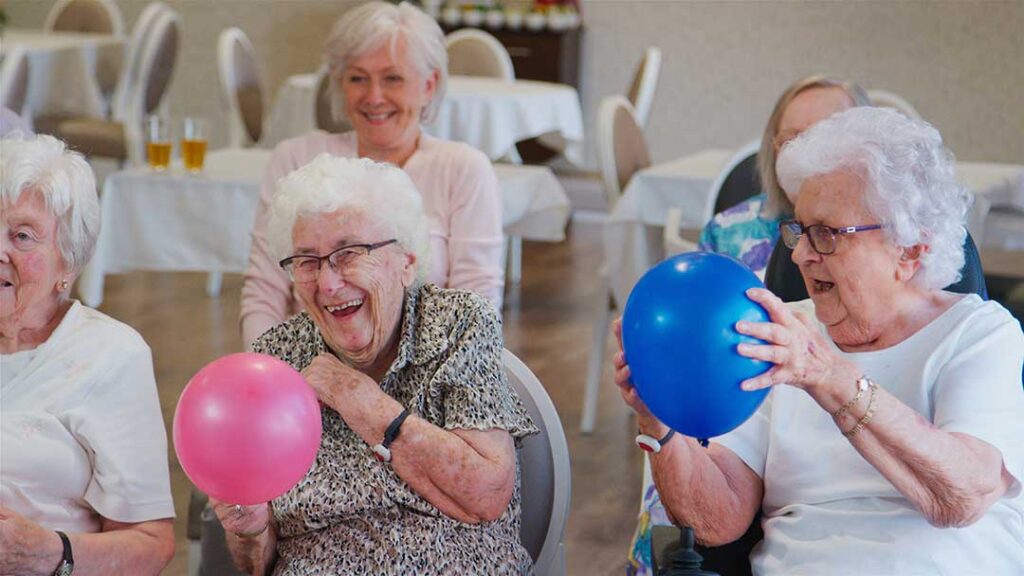
How Do Residents Stay Connected With Family After Moving to Assisted Living?
Adjusting to life in assisted living may bring feelings of separation from loved ones, but meaningful connections can be maintained. Residents in Penn Hills, PA have a variety of simple methods—both traditional and modern—to stay in touch with family and friends, supporting emotional well-being and a sense of belonging.
Can Residents Use Phones and Video Calls Easily?
Yes, most assisted living communities support daily phone use, making regular calls straightforward. Many residents keep personal cell phones or landline phones in their rooms. For those wanting to see loved ones face-to-face, staff or family can help set up video calls using tablets, smartphones, or computers.
Assistance is often available for setting up technology, and some living spaces offer shared computer rooms for private conversations. Local families may want to ensure devices are charged, simple to operate, and labeled with large-button or senior-friendly apps.
Are In-Person Visits Allowed, and How Can Families Make the Most of Them?
Visits from friends and family are typically welcome and encouraged, though rules vary by community. In Penn Hills, some facilities may have designated common areas for visits, outdoor seating during fair weather, or scheduled visiting hours to coordinate privacy and safety.
To make visits more enjoyable:
- Bring favorite snacks (following dietary guidelines)
- Share printed photos or memory books for conversation
- Plan to attend group activities or craft sessions together
- Take advantage of gardens or courtyards in milder months
Checking ahead for visitor guidelines helps avoid confusion and ensures a positive visit. Seasonal weather in this region may affect preferences for indoor or outdoor visits, especially in winter.
What About Letters, Cards, and Care Packages?
Mail is a reliable and personal way to stay in touch. Residents can receive cards, letters, or small packages, which brighten their rooms and serve as physical reminders of loved ones.
Tips for mail communication include:
- Writing notes in large, clear handwriting for easier reading
- Including captions or labels on photos
- Sending puzzles, word searches, or magazines suited to personal interests
Some residents also enjoy sending mail themselves. Keeping notecards and postage stamps on hand—or asking staff for help—can empower residents to connect actively.
How Can Residents Share Life Events or Updates With Family?
Staying engaged often means keeping family informed about daily experiences or milestones. Residents can:
- Start a shared calendar with upcoming birthdays or special events
- Ask staff members to snap photos of hobbies or achievements to share with relatives
- Keep a journal to record stories, then read aloud or share entries in calls or letters
Families can reciprocate by sharing family news, photos from community events, or video clips, helping residents feel included in everyday life outside the facility.
Are There Local Opportunities for Group Gatherings or Events With Loved Ones?
Community rooms and social halls in many Penn Hills residential communities are designed for gatherings—holiday parties, birthdays, or group meals often welcome guests. Some facilities organize events where residents’ families are specifically invited to join, providing opportunities to expand social bonds.
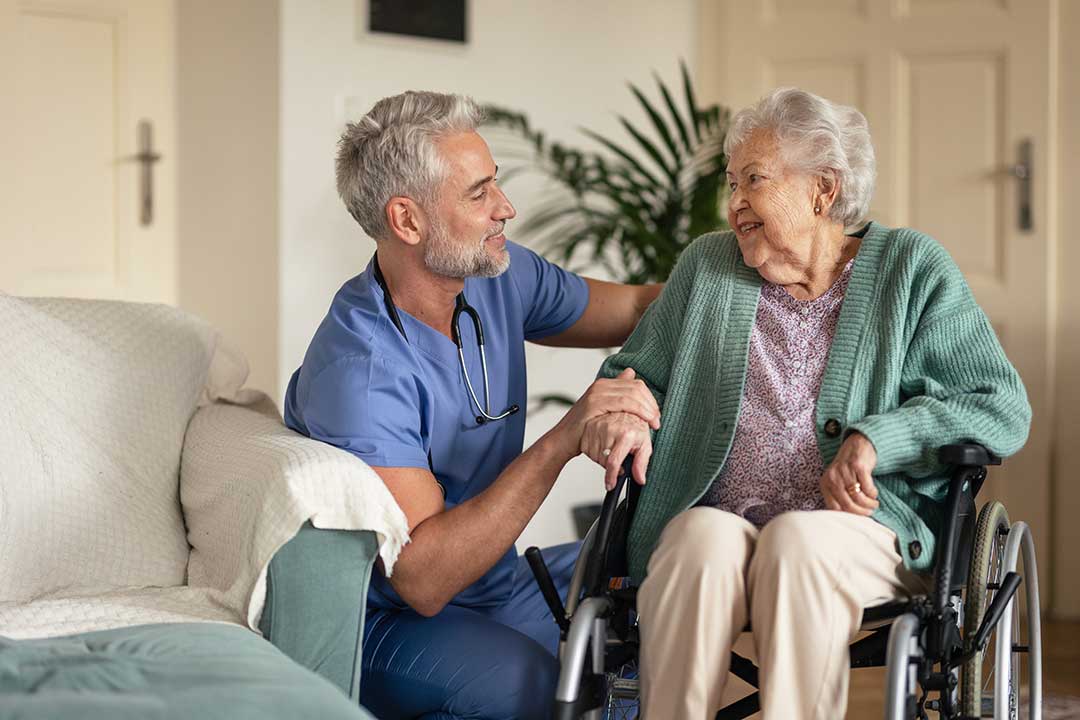
For outings, nearby parks or cultural sites can offer accessible and low-key excursions for residents and their loved ones, with accessible transport options often available in the area.
What Barriers Might Make Communication Difficult, and How Can They Be Addressed?
Residents and families sometimes face challenges like hearing loss, memory changes, or unfamiliar technology. Overcoming these obstacles begins by recognizing them.
Possible supports include:
- Using amplified or captioned phones for those with hearing challenges
- Choosing video calls with a clear, steady camera
- Requesting assistance from staff for dialing numbers or joining online chats
Patience, repetition, and using familiar routines for connecting can boost confidence and reduce frustration.
Are There Social Groups or Programs That Help Residents Connect With the Outside World?
Group activities within assisted living do more than entertain—they help residents share experiences and make new friends. Many facilities offer:
- Book clubs, faith groups, or lifelong learning classes
- Volunteer-led arts or music sessions open to visiting family members
- Intergenerational programs with local schools or youth groups
Participation in these opportunities boosts social networks and provides fresh topics to share with out-of-town family.
What Are Common Misconceptions About Keeping in Touch in Assisted Living?
Some believe moving to assisted living means less connection with loved ones, but most residents actually gain new ways to communicate. Local experience shows that routines—like scheduled calls, regular mail, and planned visits—can create deeper, more predictable points of contact. Many also find new friendships and support networks through fellow residents and staff.
Feeling connected is possible through a mix of phone calls, digital media, traditional mail, and in-person visits, adapted flexibly to personal needs and local routines.
