
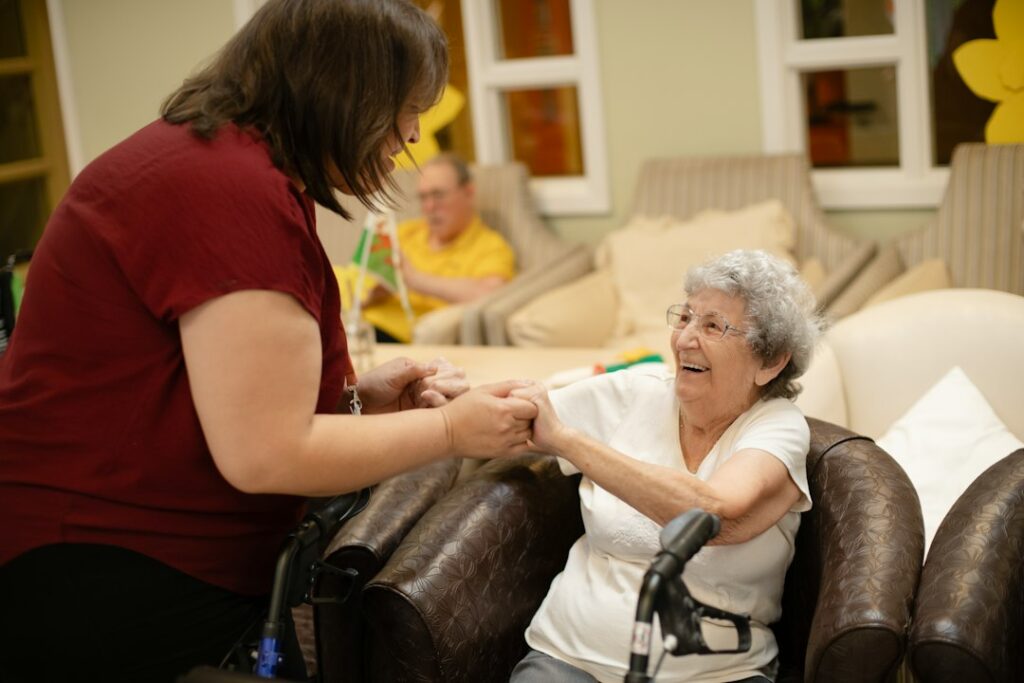
Assisted living is designed for older adults who need help with daily routines, supervision, and selected health-related tasks but do not require the continuous medical care provided in a nursing facility. In Penn Hills, PA, residents and families may see a combination of in-house support and outside medical services coordinated through the residence.
The exact services depend on the resident’s health needs, the residence’s license and staffing, and the terms of the written residency agreement.
What health services are usually available?
Most assisted living residences provide or arrange services that support medication use, personal care, monitoring, appointments, and changes in a resident’s condition. These services are generally organized through an individual assessment and support plan.
Common services include:
- Medication reminders, assistance with self-administration, or medication administration by authorized staff
- Help with bathing, dressing, grooming, toileting, eating, and mobility
- Routine observation of changes in health, behavior, appetite, sleep, or functioning
- Assistance arranging physician, dental, vision, laboratory, and therapy appointments
- Transportation or escort support when included in the resident’s plan
- Emergency response and notification of designated family members
- Coordination with home health, hospice, therapy, or behavioral health providers
- Basic cognitive support for residents experiencing memory loss or confusion
Assisted living is residential care rather than a hospital or full-service medical facility. Staff may support a resident’s care, but they do not replace emergency departments, physicians, or nursing facilities.
How does medication assistance work?
Medication support can range from a simple reminder to complete administration. A resident who can safely take medicine independently may only need prompts or help opening a container. Another resident may need trained staff to store, organize, distribute, and document medications.
Pennsylvania assisted living rules require residences to maintain procedures for medication storage, access, distribution, documentation, and the investigation of errors or missing medications. Changes to prescription medications generally must come from the prescribing clinician in writing, except where applicable emergency procedures allow an alternate process.
Families should ask:
- Who orders or obtains prescription refills?
- How are missed doses or medication errors handled?
- Are over-the-counter medicines included in the medication process?
- Can a resident keep any medications in the living unit?
- How are diabetes supplies, inhalers, eye drops, or injections handled?
- What happens if a resident’s ability to self-administer changes?
Medication assistance is not always included in the same fee as housing and basic services. The written agreement should explain what is included and what may be billed separately.
What personal care support is considered a health service?
Help with everyday activities is one of the central functions of assisted living. Personal care may include assistance with:
- Getting in and out of bed or a chair
- Walking or transferring safely
- Bathing and showering
- Dressing and undressing
- Toileting and continence care
- Eating and drinking
- Grooming and personal hygiene
The amount of help should be based on the resident’s assessment and support plan. A person may need only standby assistance one day and more hands-on help after an illness, injury, or hospitalization.
In a community with winter snow, icy walkways, and changing temperatures, mobility support and fall prevention deserve particular attention. Families may want to ask how staff respond when a resident has difficulty walking outdoors, misses meals during illness, or becomes less steady after returning from the hospital.
Are nurses and doctors available around the clock?
Not necessarily. Some assisted living residences have nurses on staff or on site during certain hours, while others rely on trained direct-care staff and visiting medical professionals. The presence of staff overnight does not automatically mean that a registered nurse or physician is present at all times.
A residence may arrange for or coordinate:
- Nursing assessments
- Wound care, when appropriate to the resident’s needs
- Home health visits
- Physical, occupational, or speech therapy
- Physician and nurse practitioner visits
- Behavioral health services
- Hospice care
- Laboratory specimen collection or other ordered services
The availability and limits of these services should be explained before move-in. Ask whether outside clinicians may visit the residence, how appointments are documented, and who communicates changes to the resident’s primary care team.
Can assisted living manage dementia or memory loss?
Some assisted living residences provide basic cognitive support, while others operate specialized programs for residents with dementia. Services may include reminders, structured routines, supervision, assistance with personal care, and activities adapted to a resident’s abilities.
A memory support setting may have additional training, secured areas, specialized staffing, and different admission requirements. Families should not assume that every assisted living residence can safely manage wandering, severe behavioral symptoms, frequent nighttime distress, or advanced cognitive decline.
Questions worth asking include:
- How are changes in memory or behavior documented?
- What happens if a resident begins wandering?
- How are nighttime needs handled?
- Can staff assist with meals and hydration?
- When would a resident need a higher level of care?
- How are families involved in revising the support plan?

What happens during a medical emergency?
Assisted living residences generally provide 24-hour supervision, monitoring, and emergency response procedures. Staff may call emergency services, provide first aid within their training, notify designated contacts, and send relevant medication or health information with the resident.
The residence may also have procedures for power outages, severe weather, fire, infectious illness, or other local emergencies. In Penn Hills, seasonal storms and icy conditions can affect transportation and access to outpatient appointments, so emergency planning should include backup communication, medication supplies, mobility equipment, and family notification.
A resident with chest pain, severe breathing difficulty, signs of stroke, uncontrolled bleeding, serious injury, or sudden loss of consciousness needs emergency medical attention rather than routine assisted living support.
How is a resident’s care plan updated?
A resident’s needs should be assessed before admission and reviewed as circumstances change. The support plan may address mobility, medication, nutrition, personal care, cognition, medical appointments, and emergency contacts.
A review may be needed after:
- A hospitalization or emergency visit
- A fall or repeated near-falls
- A new diagnosis
- A significant medication change
- Weight loss, dehydration, or difficulty eating
- Increased confusion or changes in behavior
- A decline in bathing, dressing, walking, or toileting ability
Residents and their designated representatives generally have a role in care planning. The plan should be understandable, specific, and consistent with the services the residence has agreed to provide.
How is assisted living different from a nursing home?
Assisted living focuses on residential support, personal care, supervision, and selected supplemental health services. A nursing home is a licensed medical facility intended for people who need more continuous nursing care, rehabilitation, or medical monitoring.
A person may begin in assisted living and later need a nursing facility if health needs become more complex. Conversely, some residents return to assisted living after short-term rehabilitation if they can safely manage with a revised support plan and additional services.
The key question is not whether a residence offers many health-related services, but whether it can safely meet the individual’s current needs and respond if those needs change.
What should families review before move-in?
Before signing an agreement, review the service description, assessment process, medication policies, emergency procedures, staffing coverage, additional charges, transportation arrangements, and rules for outside providers.
Also confirm:
- Which services are included in the basic agreement
- Which health services are supplemental or separately billed
- Whether residents may choose their own physicians and outside providers
- How medical records and hospital discharge instructions are handled
- What conditions could lead to a transfer or discharge
- How complaints and care concerns are documented
Clear answers can prevent confusion later, especially after an illness or sudden change in functioning. The written agreement and individualized support plan should match the care that is actually expected.
