
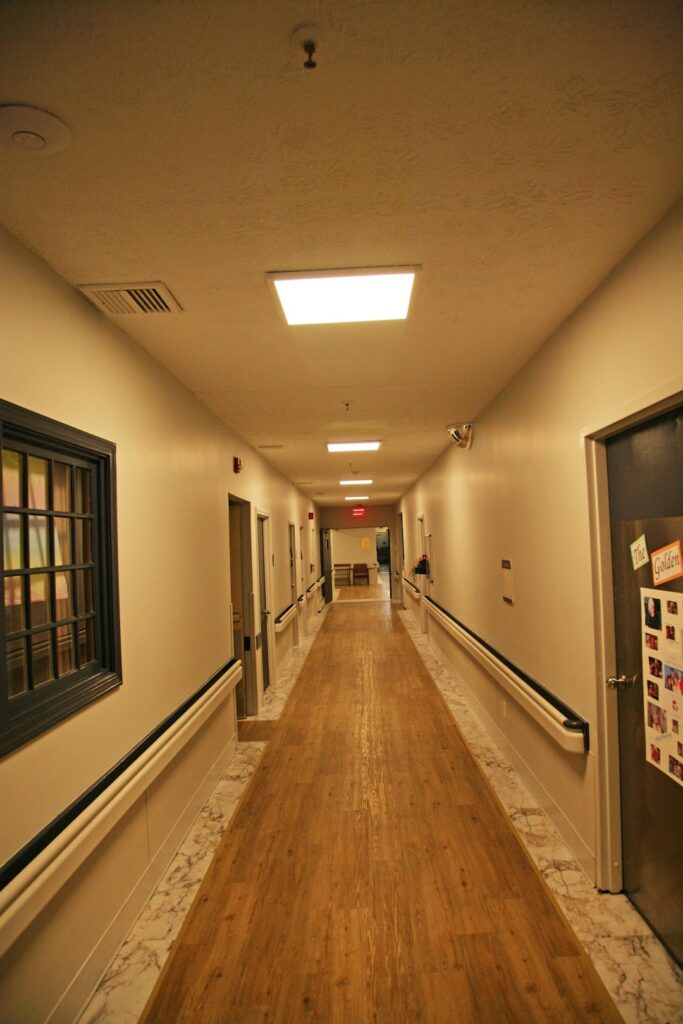
Assisted living can encourage an active lifestyle by making movement, social participation, and everyday independence easier to maintain. The goal is not constant exercise or competition. It is helping residents stay engaged in ways that match their abilities, interests, health needs, and comfort level.
For residents and families in Penn Hills, understanding how activity is built into daily living can make it easier to evaluate whether an assisted living setting supports long-term well-being.
What does an active lifestyle mean in assisted living?
An active lifestyle includes more than formal workouts. It may involve walking to meals, joining a group activity, tending plants, participating in a discussion, practicing balance exercises, or helping with a shared task.
Assisted living communities commonly support several types of activity:
- Physical movement, such as walking, stretching, strength exercises, and balance practice
- Social engagement through meals, games, clubs, celebrations, and group conversations
- Mental stimulation through reading, music, crafts, educational programs, and problem-solving activities
- Purposeful routines, including personal care, organizing belongings, or helping with community tasks
- Outdoor time, such as sitting on a patio, walking along a safe path, or participating in seasonal activities
This broader definition matters because a resident may not be able to participate in strenuous exercise but may still benefit from regular movement and meaningful interaction.
How do daily routines promote movement?
A well-planned daily routine can encourage activity without making it feel like a separate obligation. Residents may walk between their apartments, dining areas, activity rooms, lounges, and outdoor spaces. Even short trips can add movement throughout the day.
Routines may also include scheduled opportunities for:
- Morning stretching or chair exercises
- Guided walking groups
- Light strength training using safe, manageable resistance
- Balance activities designed to reduce deconditioning
- Dancing, recreational games, or movement-based music programs
- Household tasks that involve standing, reaching, or carrying lightweight objects
The most useful routines are flexible. A resident may be more energetic in the morning, while another may prefer afternoon activities. Staff should be able to adapt participation to fatigue, pain, medication effects, vision changes, and mobility limitations.
Are exercise programs suitable for residents with limited mobility?
Many activities can be adapted for people who use walkers, wheelchairs, or other mobility supports. Seated exercises may work the arms, legs, shoulders, and torso without requiring a resident to stand. Gentle range-of-motion movements can help residents maintain flexibility, although they should follow individual health guidance.
Other adaptations may include:
- Shorter activity periods with rest breaks
- Smaller groups with closer supervision
- Seated dancing or rhythm exercises
- Tossing or reaching games performed from a chair
- Supported standing exercises
- Indoor walking during poor weather
- Activities held in rooms with clear paths and stable seating
A resident does not need to move independently to remain active. Participation, effort, and regular engagement can be adjusted to the person rather than measured against a general standard.
Why are social activities part of physical wellness?
Social participation often supports activity because people are more likely to move when an activity has a clear purpose or includes others. A resident may be more willing to walk to a group meal, attend a music program, or join a game than to complete an exercise routine alone.
Social programs can also reduce prolonged isolation. Conversation, shared meals, group projects, and peer relationships may support mood and motivation. These factors can affect whether a person gets dressed, leaves the room, participates in activities, and maintains a regular daily rhythm.
For residents who are new to assisted living, low-pressure activities can provide a comfortable way to meet others. Familiar options such as card games, current-events discussions, crafts, gardening, or music may feel more approachable than formal exercise classes.
How does outdoor access affect an active lifestyle?
Outdoor access gives residents opportunities to change surroundings, experience natural light, and move in a different setting. Safe outdoor areas may include level walking paths, covered seating, raised garden beds, or patios with stable furniture.
Seasonal conditions in Penn Hills can affect outdoor activity. Cold temperatures, snow, ice, rain, and uneven ground may create fall risks during parts of the year. Hot or humid weather may also require shorter outings, shade, hydration, and appropriate timing.
Because outdoor activity is not always practical, a balanced program should include indoor alternatives. Clear hallways, common rooms, indoor walking routes, and activity spaces can help residents remain engaged when weather conditions are unsafe or uncomfortable.
Can assisted living support independence as well as activity?

Yes. Activity and independence often reinforce each other. Residents may remain more capable when they are encouraged to perform safe parts of daily routines instead of having every task done for them.
Examples may include:
- Choosing clothing and preparing for an activity
- Walking to meals when safe
- Carrying personal items in a manageable way
- Participating in room organization
- Selecting preferred programs
- Helping set a table or arrange materials
- Using mobility aids correctly and consistently
Support should be provided when needed, but excessive assistance can unintentionally reduce opportunities for movement and decision-making. A thoughtful approach distinguishes between tasks a resident cannot safely complete and tasks that require extra time, reminders, or supervision.
What should families ask about activity programs?
Families should look beyond the word “activities” and ask how participation works in everyday practice. Useful questions include:
- Are activities available throughout the day or only at limited times?
- Can programs be adapted for seated participation or memory-related needs?
- Are walking, balance, and strength activities included?
- How are residents encouraged to participate without pressure?
- What happens when weather prevents outdoor activities?
- Are there quiet options for residents who prefer smaller groups?
- How are interests and abilities documented?
- Can residents suggest or lead activities?
- How does staff respond when a resident becomes tired or uncomfortable?
The answers can reveal whether activity is treated as a meaningful part of daily life or simply as an occasional event on a calendar.
What misconceptions should residents keep in mind?
An active lifestyle does not require athletic ability, long walks, or intense exercise. Small amounts of movement spread throughout the day may be more realistic and sustainable for many older adults.
Another misconception is that residents must join every group activity. Rest, privacy, and quiet hobbies are also valid. A healthy routine balances engagement with recovery and respects personal preferences.
Activity should also be safe rather than competitive. New pain, dizziness, shortness of breath, unusual weakness, or a sudden change in balance should be taken seriously. Individual movement plans may need to be adjusted after illness, injury, hospitalization, or changes in medication.
Assisted living encourages active lifestyles most effectively when it combines safe movement, meaningful choices, social connection, and adaptable routines. For local residents, the right environment is one that helps people participate in everyday life at a level that is practical, respectful, and personally meaningful.
